ChatGPT Search is the web-search capability built into ChatGPT. When a question needs current information, ChatGPT retrieves live results, reads the pages, and synthesises an answer with inline citations. As of 2026 it is no longer a separate product called SearchGPT – it is folded directly into ChatGPT, which activates search automatically when a query calls for it. ChatGPT accounts for roughly 79 percent of global AI-chatbot usage and around 900 million weekly active users, while Google still holds about 90 percent of the overall search market. They are now genuine competitors, but on different query types.
This guide covers what ChatGPT Search actually is in 2026, the Bing infrastructure underneath it that most coverage skips, how it compares to Google AI Overview and Perplexity, and the specific things that get content cited by ChatGPT. The Bing connection is the part that changes the optimisation strategy, so that gets the most attention.
What ChatGPT Search is in 2026
The product has changed shape since its late-2024 launch. Three things define it now.
It is integrated, not separate. There is no standalone “SearchGPT” product to visit. ChatGPT decides when a query needs live information and searches automatically. The user experience is conversational – ask a question, get a synthesised answer with citations, ask a follow-up that builds on the same context.
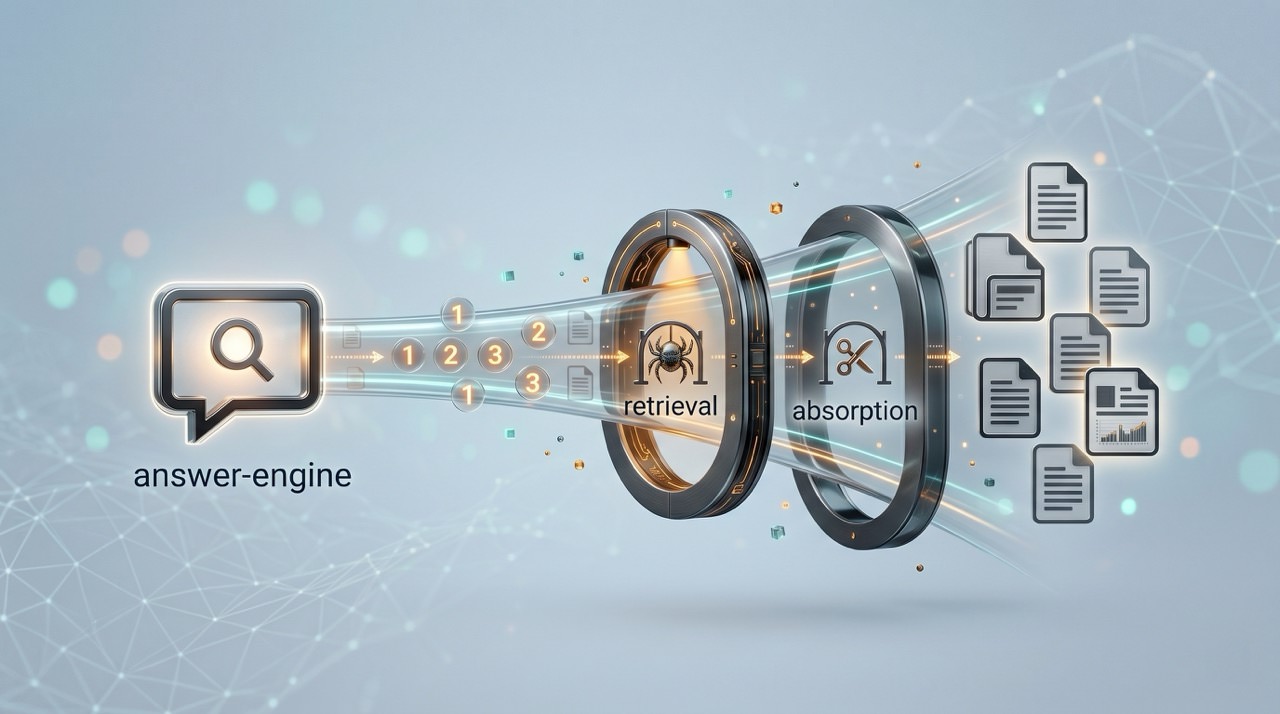
It runs on a hybrid retrieval stack. ChatGPT Search pulls from OpenAI's own index, built by its OAI-SearchBot crawler, supplemented heavily by the Bing index through OpenAI's partnership with Microsoft, plus partnerships with trusted news and data providers. This hybrid is the technical core, and the Bing portion is the part with the biggest implications for getting cited.
It cites inline. Responses carry citations, and when they don't appear inline, a Sources panel is available. ChatGPT also appends utm_source=chatgpt.com to referral URLs, which means traffic from ChatGPT citations shows up in your analytics – a concrete way to measure whether your content is being cited and clicked.
The model underneath is whichever current GPT model the user's tier provides, with search as a capability layered on top rather than a separate engine.
The Bing infrastructure underneath
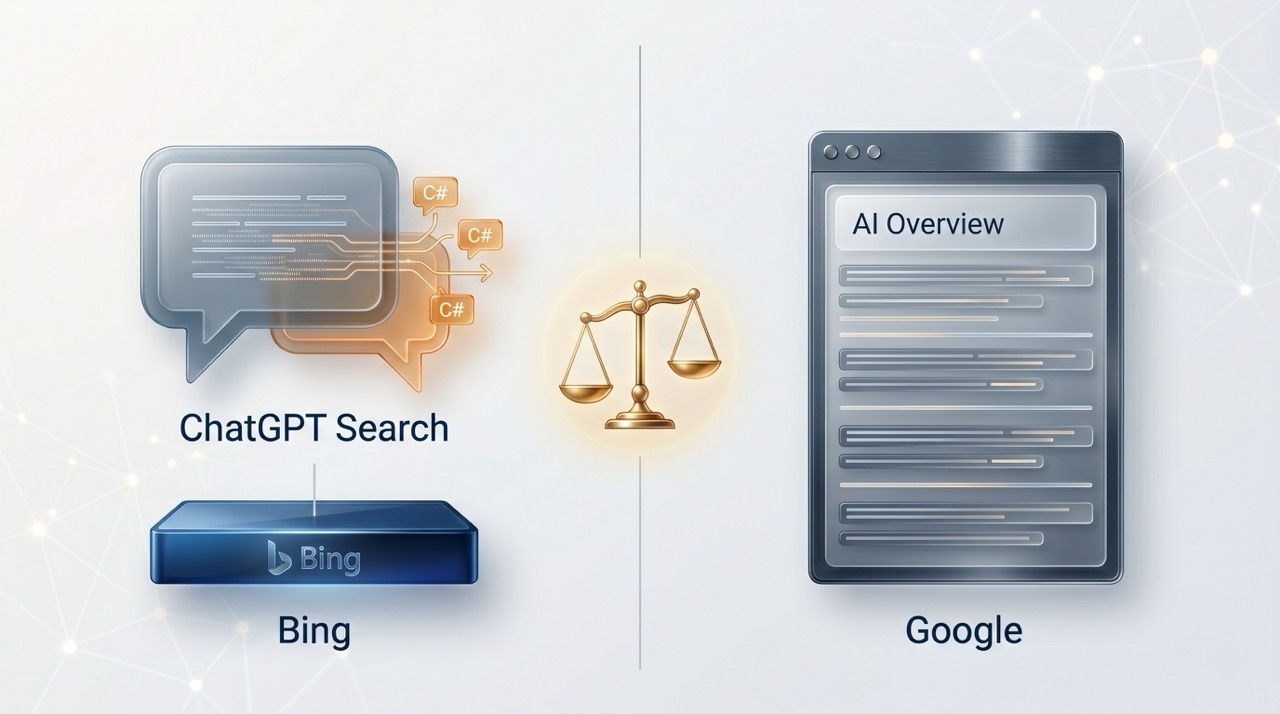
This is the detail that changes the strategy. ChatGPT Search's index is primarily Bing's. OpenAI confirmed the Microsoft partnership at launch, and subsequent research has quantified how directly Bing rankings drive ChatGPT citations.
Seer Interactive analysed over 500 ChatGPT Search citations and found 87 percent matched Bing's top organic results for the same query. That is a high correlation, and it has a direct practical consequence: Bing SEO and ChatGPT Search optimisation are largely the same work. A site with strong Google rankings but weak Bing presence will underperform in ChatGPT Search.
The implication most SEO teams miss is that they have spent years optimising for Google and treating Bing as an afterthought. In the ChatGPT era, Bing indexing status becomes a direct input to AI citation. Confirming your pages are indexed in Bing, registered in Bing Webmaster Tools, and ranking reasonably there is now foundational rather than optional.
OAI-SearchBot supplements the Bing index with fresh crawls of specific pages. So the citation pathway has two components: your Bing presence (the bulk of it) and OAI-SearchBot's ability to crawl your pages directly (the freshness layer). Both need to work.
How ChatGPT Search ranks differently from Google
ChatGPT's source selection is less tied to traditional search rankings than Google's AI Overview. While it considers domain authority, it weights content quality, clarity, and specificity more heavily. A well-structured, authoritative page sitting on page two of Google can still get cited by ChatGPT if it provides the best answer to the question.
This independence from first-page rankings is genuinely useful for sites with strong content but a backlink profile that hasn't yet earned Google's first page. Google's AI Overview leans heavily on established authority signals – domain authority, link profile, existing top-10 ranking. ChatGPT's hybrid retrieval gives more room to a clear, specific, well-structured answer regardless of where it ranks on Google.
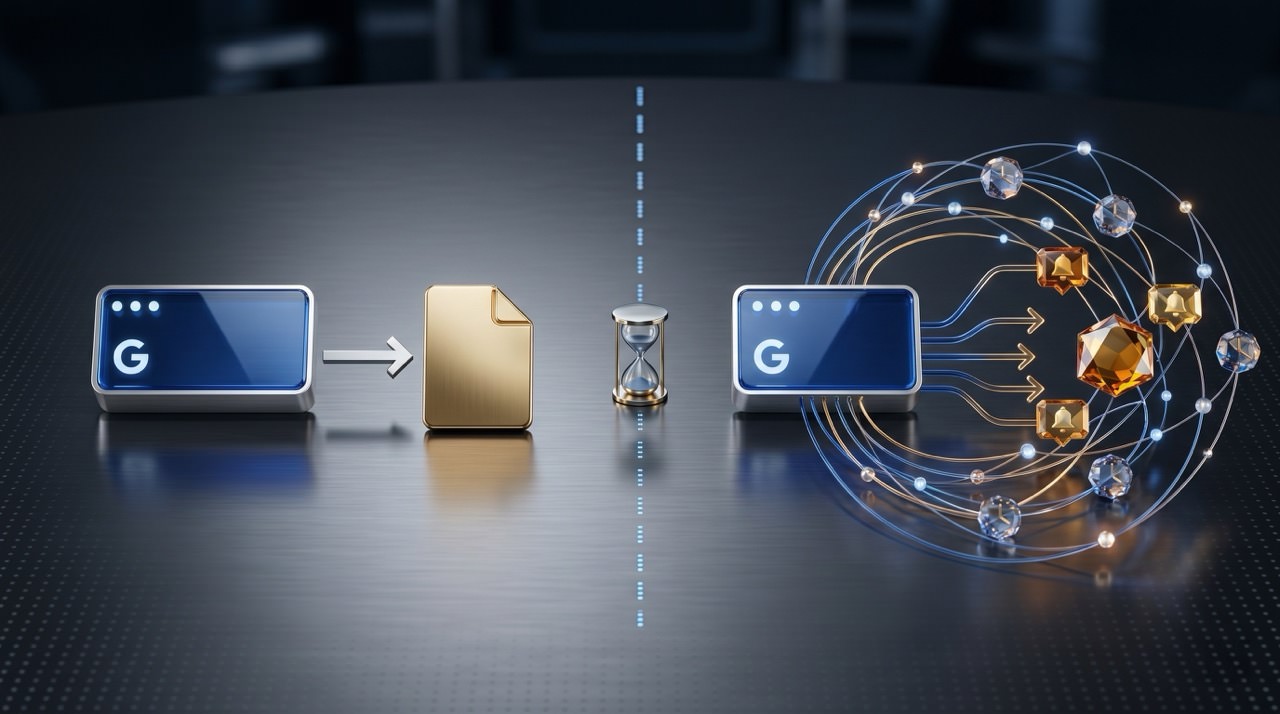
The synthesis approach also differs. ChatGPT reads full page content from multiple sources and synthesises across them, favouring pages where a clean, self-contained passage answers the specific question. Google AI Overview uses query fan-out across its own index, a mechanism covered in the AI Overview guide. The two produce different citation patterns for the same query, which is why a page can be cited by one and not the other.
ChatGPT Search vs Google AI Overview vs Perplexity
The three surfaces overlap but serve different needs. The honest head-to-head:
Source transparency. Perplexity was built citation-first and footnotes nearly every claim. ChatGPT cites consistently but synthesises more conversationally. Google AI Overview cites, but the citation overlap with its own top rankings collapsed through 2025-2026. For verifiable sourcing, Perplexity leads, ChatGPT is close behind, and the full comparison is in the Perplexity guide.
Index foundation. ChatGPT Search runs primarily on Bing. Google AI Overview runs on Google's index. Perplexity uses its own crawler plus live search. Three different source pools means optimising for one does not guarantee the others – they have to be approached separately.
Query-type strengths. ChatGPT is strong for long-form research, follow-up reasoning, and technical or code-related queries where the conversational thread matters. Google dominates navigational and local queries through index depth and Maps integration. Perplexity is strongest for research where you want a concise sourced answer fast.
Follow-up behaviour. Both ChatGPT and Perplexity handle conversational follow-up well, where the second question builds on the first within the same context. Google AI Overview's follow-up handling through AI Mode has improved but the interaction still centres on the individual query more than the conversation.
The summary: ChatGPT for conversational research and technical depth, Google for navigational and local, Perplexity for fast sourced answers. Most professionals end up using more than one depending on the task.
Where You.com fits
A related question in this space is You.com, an AI search engine that pivoted heavily toward AI research tools. It offers a mixed AI-and-web-search interface with its own approach to source citation. In 2026 it occupies a smaller niche than ChatGPT, Google, or Perplexity, and feels more like an AI research assistant than a traditional search engine. For users who want an AI-first search interface and are exploring alternatives, it is worth knowing about, though its market share is modest compared to the major surfaces. The broader landscape of search alternatives is covered in the free search engines guide.
For SEO and GEO: getting cited by ChatGPT
Getting cited by ChatGPT Search is a distinct checklist from Google SEO, and most of the foundational items take under an hour to verify.
Allow the right crawlers. OpenAI runs three crawlers, each controlled independently in robots.txt:
# Allow ChatGPT search, allow direct fetch, your choice on training
User-agent: OAI-SearchBot
Allow: /

User-agent: ChatGPT-User
Allow: /

User-agent: GPTBot
Allow: /
OAI-SearchBot is the one that matters for search citations – blocking it removes you from ChatGPT Search results even if you rank well on Bing. ChatGPT-User fetches a page when a user explicitly asks ChatGPT to read it. GPTBot is for model training, which you can allow or block separately depending on your stance on training use; blocking GPTBot does not affect search citations.
Confirm your Bing presence. Because roughly 87 percent of ChatGPT citations match Bing's top organic results, Bing indexing is foundational. Register in Bing Webmaster Tools, confirm your key pages are indexed, and treat Bing ranking as a direct input to ChatGPT visibility rather than an afterthought.
Write definition-first openings. ChatGPT extracts cleanest from pages that answer the question directly in the opening, then elaborate. A clear one-to-two-sentence answer near the top of the page is the unit ChatGPT lifts into its synthesis.
Use clean, semantic HTML. Headings, lists, and tables that convey structure help the crawler parse meaning. Content that only renders through JavaScript may not be seen – the answer should be present in the raw HTML.
Create specific pages for specific questions. A dedicated page that answers one question thoroughly often gets cited over a comprehensive page that covers many topics shallowly. Specificity is weighted heavily.
Publish original information. Competent summaries of what already exists get passed over in favour of pages with original data, first-hand experience, or genuinely expert analysis. This is the same principle that helps across all AI surfaces.
The honest read on ChatGPT's selection: OpenAI has not published a detailed source-ranking model. What is known is that it searches when current information helps, links sources, depends on OAI-SearchBot access and Bing presence for inclusion, and weights relevance, clarity, and reliability through factors that are not fully public. Optimise for the knowable inputs – crawler access, Bing presence, extractable structure – rather than chasing an undocumented ranking formula.
Privacy and data retention
ChatGPT Search interacts with ChatGPT's memory and data handling. On consumer tiers, conversations may inform memory and, depending on your settings, model improvement. Search queries run through the same privacy framework as the rest of ChatGPT.
For sensitive or professional research, the Enterprise and Team tiers offer data controls that the consumer tiers do not, including options around retention and training use. Anyone using ChatGPT Search for confidential work should verify the current data-handling terms for their specific tier rather than assuming the consumer defaults apply.
Costs and limits
The access picture in 2026:
- Free tier – ChatGPT Search is available to free users with usage limits
- Plus ($20/month) – higher limits and priority access to current models
- Team and Enterprise – higher or unlimited limits plus data controls and admin features
For most users, the free tier covers occasional search use, and Plus is the upgrade for sustained daily use. The search capability itself is not gated behind a separate paywall – it is part of the ChatGPT product at every tier, with the usual tier-based usage limits.
FAQ
What is ChatGPT Search?
ChatGPT Search is the web-search capability built into ChatGPT. When a question needs current information, ChatGPT retrieves live web results, reads the pages, and synthesises an answer with inline citations. As of 2026 it is integrated directly into ChatGPT rather than being a separate product, and it activates automatically when a query calls for current information.
Is ChatGPT Search better than Google?
For conversational research, follow-up reasoning, and technical queries, ChatGPT Search is often faster and more useful. For navigational queries, local search, and shopping, Google's index depth and ecosystem integration win. They serve different needs – most professionals use both depending on the task.
Does ChatGPT Search use Bing?
Yes, substantially. ChatGPT Search runs primarily on the Bing index through OpenAI's partnership with Microsoft, supplemented by OpenAI's own OAI-SearchBot crawler. Research found roughly 87 percent of ChatGPT citations match Bing's top organic results, which means Bing SEO and ChatGPT Search optimisation are largely the same work.
How do I get my website cited by ChatGPT?
Allow OAI-SearchBot in your robots.txt, confirm your pages are indexed in Bing, write definition-first openings, use clean semantic HTML, and publish original, specific content. Blocking OAI-SearchBot removes you from ChatGPT Search even if you rank well, and weak Bing presence undermines citation because the index is primarily Bing's.
What is the difference between ChatGPT Search and regular ChatGPT?
Regular ChatGPT answers from its training data. ChatGPT Search adds live web retrieval – when a query needs current information, ChatGPT searches the web, reads pages, and cites sources. In 2026 the two are integrated, so ChatGPT decides automatically when to search rather than requiring a separate mode.
What is OAI-SearchBot?
OAI-SearchBot is OpenAI's crawler that indexes content for ChatGPT Search citations. It is separate from GPTBot (which crawls for model training) and ChatGPT-User (which fetches a page when a user asks ChatGPT to read it). Each can be controlled independently in robots.txt. Allowing OAI-SearchBot is a prerequisite for appearing in ChatGPT Search.
Does ChatGPT Search hallucinate?
Because ChatGPT Search retrieves and cites real sources, it is less prone to fabrication than ungrounded generation, but it is not immune. The citations let you verify claims against the source, which is the practical safeguard. Always check the cited source for claims that matter.
Do I need to rank on Google to get cited by ChatGPT?
Less than you do for Google's own AI Overview. ChatGPT weights content quality and specificity more than first-page Google ranking, and its index is primarily Bing's. A clear, specific page can be cited even without strong Google rankings, provided Bing has it indexed and OAI-SearchBot can reach it.
Can I track traffic from ChatGPT Search?
Yes. ChatGPT appends utm_source=chatgpt.com to referral URLs, so visits from ChatGPT citations appear in your analytics. Filtering for that parameter shows you which pages are being cited and clicked from ChatGPT.
What is You.com?
You.com is an AI search engine that has pivoted toward AI research tools, offering a mixed AI-and-web-search interface. In 2026 it occupies a smaller niche than ChatGPT, Google, or Perplexity and functions more like an AI research assistant than a traditional search engine. It is worth knowing about for users exploring AI-first search alternatives.
Is ChatGPT Search free?
Yes, with usage limits on the free tier. Plus at $20/month raises the limits and adds priority access to current models. The search capability is part of ChatGPT at every tier rather than a separate paid add-on.
How is ChatGPT Search different from Perplexity?
ChatGPT Search runs primarily on Bing's index and is integrated into the broader ChatGPT product. Perplexity uses its own crawler plus live search and is built citation-first. Perplexity footnotes more densely; ChatGPT synthesises more conversationally. A page can be cited by one and not the other because their source pools differ.
Does blocking GPTBot stop ChatGPT from citing me?
No. GPTBot is for model training, not search. Blocking GPTBot prevents your content from being used to train OpenAI's models but does not affect ChatGPT Search citations. For search citations, OAI-SearchBot is the crawler that matters, and it is controlled separately.
Why does my site rank on Google but not appear in ChatGPT Search?
The most common reason is weak Bing presence, since ChatGPT Search runs primarily on Bing's index. The second is a blocked OAI-SearchBot in robots.txt. Strong Google rankings do not transfer to ChatGPT Search automatically – Bing indexing and crawler access are the prerequisites.
ChatGPT Search and Google are genuine competitors in 2026, but the competition splits by query type rather than one replacing the other. The practical takeaway for anyone optimising content is that ChatGPT Search is a distinct surface with a distinct foundation – primarily Bing's index, OAI-SearchBot access, and a preference for clear, specific, original content over first-page Google ranking. For the wider picture of how AI search reshapes citation, the AI Overview guide covers Google's surface and the best AI search engines comparison puts all the surfaces side by side.